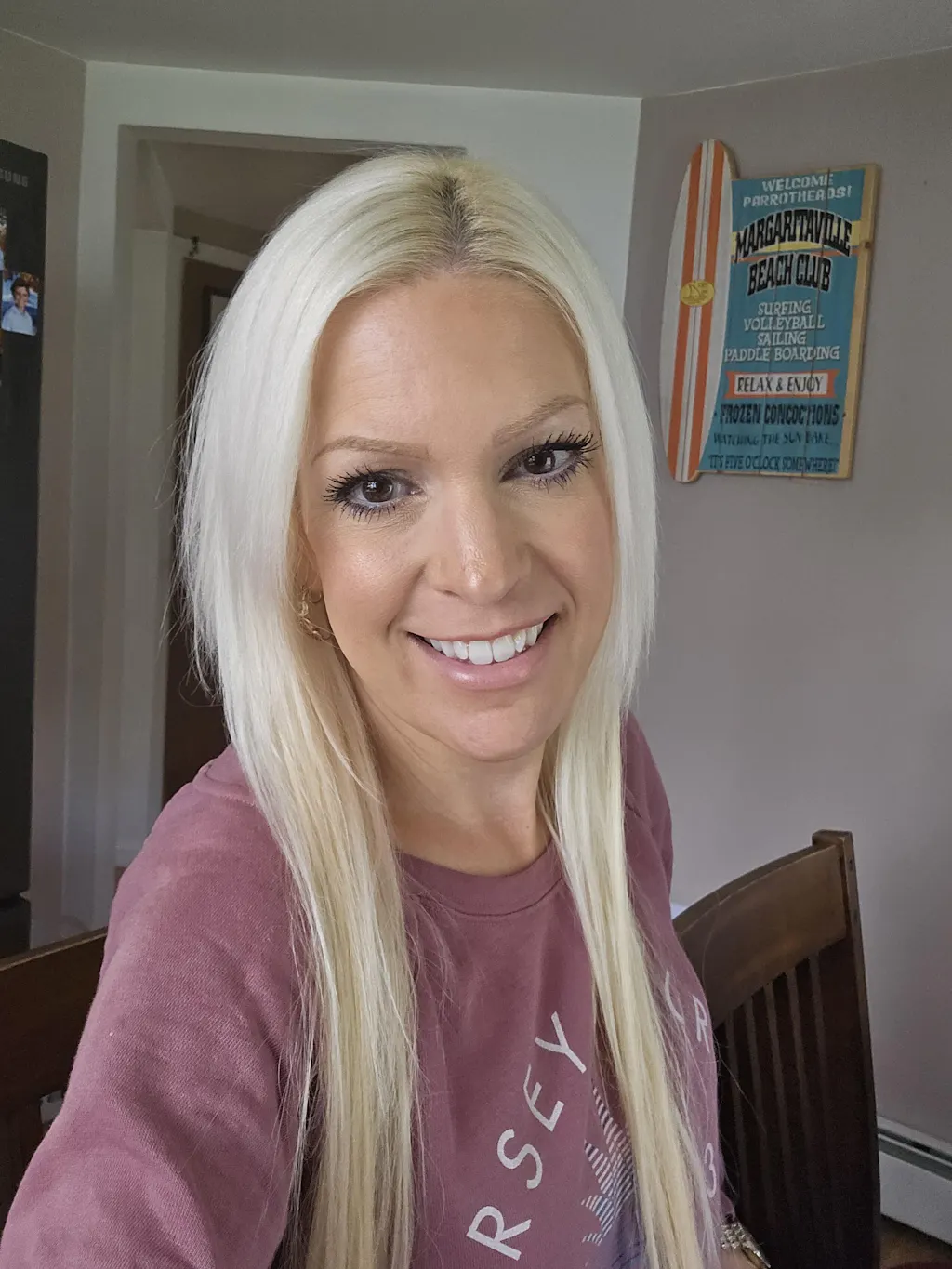
Let’s talk about something nobody really warns you about when you first fall in love with hair extensions: how easy it is to start relying on them.
One day you’re wearing them for a special occasion, and before you know it, they’ve become part of your everyday look. You love the volume, the length, the confidence boost, and the idea of going without them suddenly feels uncomfortable. If that sounds familiar, you’re not alone, and you’re definitely not doing anything wrong.
The truth is, extensions are amazing. They can completely transform how your hair looks and how you feel. But they work best when you use them intentionally. That means knowing when your hair needs a break, how to spot early signs of stress, and what lower-tension options can help you maintain your look while protecting your natural hair.
This isn’t about guilt or scare tactics. It’s about helping you enjoy extensions in a way that’s sustainable so you can keep wearing them for years without sacrificing the health of your natural hair underneath.
What Is “Extension Addiction” and Why Is It So Common?
Extension addiction isn’t about vanity or weakness. It is usually just the result of feeling really good in your hair.
Extensions give you instant length, fullness, coverage, and that polished, “good hair day” effect on demand. When something makes you feel more confident, more put-together, and more like yourself, of course you want to keep wearing it. That’s human.
But over time, a pattern can develop. What starts as occasional wear turns into daily wear. Daily wear turns into reinstalling them immediately after removal. Eventually, your natural hair gets less time to rest, less attention, and less opportunity to thrive on its own.
There’s also an emotional loop that can happen. The more you love how you look in extensions, the less confident you may feel without them. Again, that’s not shallow. It’s just a sign that your beauty routine has become closely tied to your sense of self.
The goal isn’t to stop loving extensions. The goal is to wear them in a way that supports your natural hair instead of slowly stressing it.
Are Hair Extensions Damaging My Natural Hair?
The honest answer is: not always, but they can be.
Hair extensions themselves don’t cause damage. Improper installation, aftercare or load distribution does.
Whether extensions damage your natural hair usually depends on four things:
● The extension method and experience of the stylist
● How much tension it creates
● If weight (in grams) , section size, and bead placement is properly distributed for the natural hair density
● How long you wear it without a break or proper re-install.
Extensions themselves aren’t automatically harmful. The problem is repeated tension on the hair follicle, especially when a method stays installed for weeks at a time or pulls on the same small sections of hair over and over.
Some methods create more risk than others:
● Higher-tension methods: sew-ins, tight braids, bonded extensions, micro-links
● Moderate-tension methods: tape-ins, frequent clip-in wear
● Lower-tension methods: halo extensions, since they don’t attach directly to your strands
The bigger issue isn’t one-time wear. It’s continuous stress. If your follicles are under constant pulling, they can become inflamed, weakened, and eventually less able to support healthy growth.
That said, damage is not inevitable. With the right method, proper installation, realistic wear schedules, and regular breaks, many people wear extensions long-term without major issues. The key is being proactive instead of waiting until your hairline or density starts to visibly change.
What Are the Early Signs of Traction Alopecia from Extensions?
Traction alopecia is hair loss caused by repeated pulling or tension on the hair follicle. The good news is that early traction alopecia is often reversible, but only if you catch it early and reduce the stress on your hair.
That’s why knowing the warning signs matters so much. Your scalp usually tells you something is wrong before obvious thinning or bald spots appear.
Here are the early red flags to watch for:
● Scalp tenderness or soreness, especially after installation
● Tightness that doesn’t go away after a few hours
● Small bumps or irritation along the hairline, part, or attachment areas
● Itching or burning sensations at the roots
● Frequent headaches when extensions are in
● Thinning baby hairs or edges, especially around the temples
● A wider-looking part line
● Hair breakage around clips, bonds, braids, or attachment points
● A general feeling that your scalp feels stressed or “off”
Think of these as your hair’s warning lights. They’re not there to shame you. They’re there to help you intervene before the issue gets worse.
If you’re noticing one or more of these signs consistently, it’s time to pause, reassess, and give your hair a break.
When Should You Take a Break from Hair Extensions?
You should take a break from extensions if:
● You’re noticing any of the traction warning signs above
● You’ve worn extensions continuously for several months
● Your stylist mentions thinning, breakage, or stress at the roots
● You’re reinstalling them immediately after removal
● You feel anxious or resistant to seeing your natural hair without them
A break isn’t a punishment. It’s maintenance.
Here’s a general guide by method:
● Clip-ins: If you wear them 5 to 7 days a week, plan for a 2 to 4 week break every 5 to 6 months
● Tape-ins: After 3 to 4 consecutive applications (around 4 to 6 months), take a 4 to 6 week break
● Sew-ins or braided methods: Wear for no longer than 6 to 8 weeks, then take 4 to 8 weeks off
● Bonded or micro-link methods: These need close monitoring and should not be worn continuously without professional maintenance and recovery time
● Halo extensions: Lower risk, but still best to have 1 to 2 no-extension days per week and regular longer breaks if you’re using them heavily
The rule is simple: the more tension a method creates, the more important the break becomes.
How Long Should a Hair Extension Break Last?
A good extension break can last anywhere from 2 to 12 weeks, depending on your wear history, your extension method, and whether your hair is showing signs of stress.
Here’s a simple breakdown:
● 2 to 4 weeks: Preventative break if you’ve been wearing extensions heavily but don’t see clear damage
● 4 to 8 weeks: Best if you’ve worn them continuously for months or are noticing early warning signs
● 8 to 12 weeks: Ideal if you’re seeing visible thinning, breakage, scalp irritation, or hairline changes

The purpose of the break is to remove constant tension so your follicles can recover and your scalp can calm down.
To make your break actually productive, focus on recovery habits like:
● Gentle scalp massage a few times a week
● Low-manipulation hairstyles
● Deep conditioning and strengthening treatments
● Scalp serums or growth-support products
● Silk or satin pillowcases and scrunchies
● Avoiding tight ponytails, slick styles, or anything that pulls
If you’re dealing with significant shedding or visible hair loss, it may also be worth checking in with a dermatologist or trichologist.
Best Alternatives to Extensions While Your Hair Recovers
Taking a break from extensions doesn’t mean resigning yourself to bad hair days. There are plenty of ways to create volume, shape, and polish while giving your natural hair some breathing room.
Some of the best alternatives include:
● Volumizing products
Root-lifting sprays, mousses, texturizing sprays, and volumizing powders can make a noticeable difference without adding tension.
● Strategic haircuts
Layers and shape can create the illusion of fullness and movement, especially if your hair feels weighed down or uneven from previous extension wear.
● Low-tension styling
Loose waves, soft buns, relaxed braids, and gentle updos can help you feel polished without stressing your hairline.
● Scalp and growth support
This is a great time to focus on scalp health. Growth-support serums, peptide-based formulas, niacinamide treatments, and other scalp-focused products can help support recovery.
● Clip-in toppers
If your main concern is volume at the crown, lightweight toppers can be a gentler temporary option since they’re removed nightly.
● Halo extensions
If you still want the look of extensions during your break, halos are one of the smartest lower-tension options available.
What Are Halo Extensions and Why Are They Gentler?
Halo extensions are one of the safest and lowest-tension extension options because they don’t attach directly to your hair at all.
Instead, the extension hair is attached to a thin, nearly invisible wire that sits on your head like a headband. Your natural hair falls over it to blend everything together. There’s no glue, no tape, no bonds, no clips pulling on individual sections, and no braids creating constant tension at the root.
That’s what makes halos so much gentler. They distribute weight across the crown instead of concentrating stress on small sections of hair.
For people dealing with thinning, breakage, traction sensitivity, postpartum shedding, or just wanting a healthier long-term option, halo extensions can be a great alternative. They’re also ideal during recovery periods when you still want added fullness or length without putting your follicles under more strain.
Brands like KmXtend are especially relevant here because halo-style extensions align with a lower-tension, hair-health-focused approach.
Of course, halos still need to be worn correctly. A few mistakes to avoid:
● Wearing the wire too tight
● Choosing a set that’s too heavy for your hair density
● Wearing them all day, every day without any rest
● Sleeping in them
Even the gentlest extension method works best when used thoughtfully.
How to Build a Safe Extension Wear Cycle
If you want to wear extensions long-term without running into hair health problems, the best thing you can do is build a cycle instead of wearing them nonstop.
Here’s a simple, sustainable framework:
Monthly check-in
Once a month, ask yourself:
● Does my hairline look the same as it did last month?
● Are my edges still full?
● Do I have tenderness, itching, or bumps anywhere?
● Am I seeing more breakage around attachment points?
● When was the last time I had multiple days completely without extensions?
Weekly rhythm for removable methods
● Clip-ins: wear them 4 to 5 days max per week
● Halos: wear them 5 to 6 days max per week
● Give yourself 1 to 2 bare-headed days weekly whenever possible
Recovery periods
After several months of regular wear, schedule a full break before reinstalling or returning to heavy use.
Red flags that mean “stop now”
Take an immediate break if you notice:
● Persistent scalp pain
● Headaches linked to extension wear
● Bumps, sores, or inflammation
● Increased shedding at attachment sites
● Noticeable thinning at the edges or part
The goal isn’t perfection. It’s creating a rhythm your hair can actually sustain.
Final Thoughts
You can absolutely love extensions and still protect your natural hair. Those two things do not have to compete.
The real issue isn’t extensions themselves. It’s wearing them without breaks, without awareness, and without listening when your scalp starts sending warning signs. Once you understand how tension works, what traction alopecia looks like early, and which methods are gentler, you can make much better choices for your hair long-term.
So if you’ve been feeling a little too attached to your extensions lately, take that as information, not failure. Maybe your hair just needs a reset. Maybe it’s time for a lighter method. Maybe it’s time to swap a high-tension install for a halo and let your scalp breathe for a while.
That’s not giving anything up. That’s how you protect the hair underneath so you can keep enjoying the look you love for years to come.
Some recommended products to help strengthen your natural hair while taking an extensions break

Kitsch Strengthening Rice Water Protein Shampoo for Women & Men – Hair Growth Shampoo & Volumizing Hair Care for Thin, Fine & Damaged Hair – Paraben, Phthalates & Silicone Free – Made in USA –

Kitsch Strengthening Rice Water Protein Conditioner for Women & Men – Hair Care for Thin, Fine & Damaged Hair, Boosts Shine & Volume – Paraben, Phthalates & Silicone Free, Made in USA